CONSCIOUS SEDATION
Relaxed, still responsive
UK guidance defines conscious sedation as a drug-induced state in which verbal contact is maintained throughout, with a wide margin of safety from losing consciousness.
Compare the types mydentalnap
AN INDEPENDENT GUIDE
"Sleep dentistry" rarely means sleep.
AWAKE but relaxed
≈ 200,000 Dental general anaesthetics a year, then
In UK dental surgeries the usual option for anxious patients is conscious sedation: you feel relaxed and drowsy, but stay able to talk and respond. A general anaesthetic, where you are fully unconscious, is only given in hospital settings. This independent guide sets out what UK guidance says.
THE SHORT ANSWER
UK guidance draws a firm line
between sedation and anaesthetic.
CONSCIOUS SEDATION
UK guidance defines conscious sedation as a drug-induced state in which verbal contact is maintained throughout, with a wide margin of safety from losing consciousness.
Compare the typesGAS AND AIR
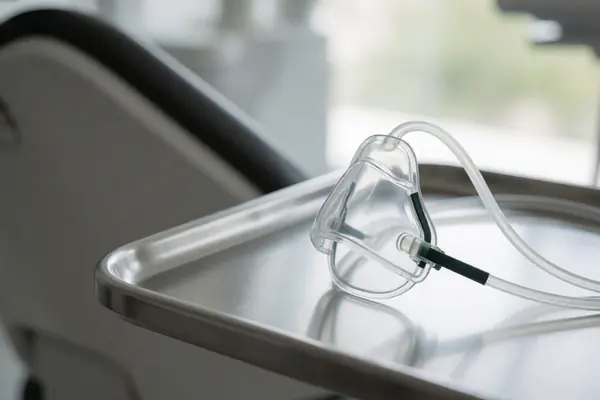
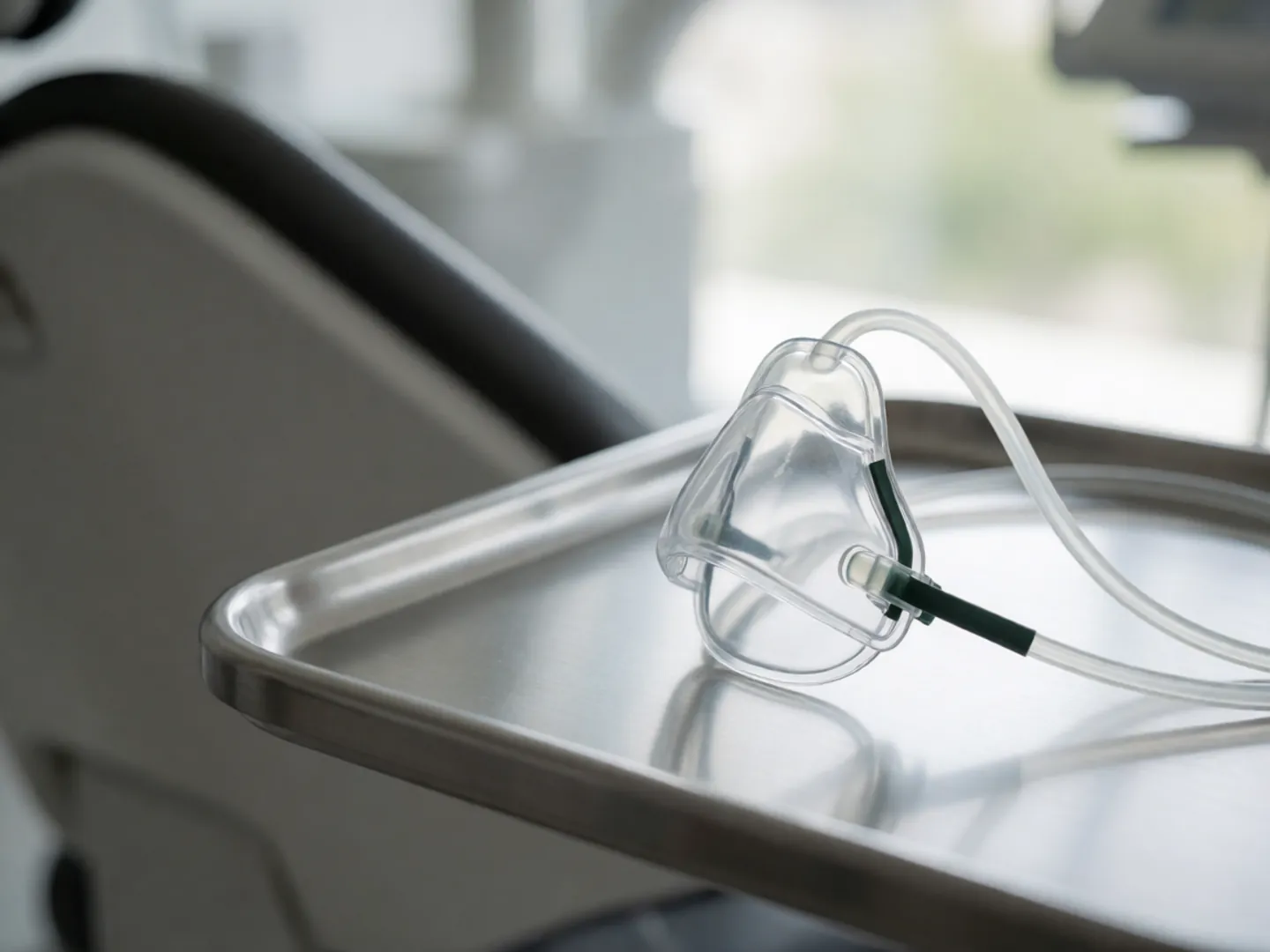
Inhalation sedation uses nitrous oxide and oxygen through a small nose mask. One NHS dental hospital leaflet compares it to Entonox used in childbirth.
How practice changedAFTERWARDS
Guidance says a responsible adult escort should take the patient home after sedation, although adults having gas and air do not usually need one.
Questions to askGeneral information only, not medical advice. For advice about your own health, speak to a doctor, pharmacist or other qualified health professional.
THE MAIN TYPES
Pick a type to see how UK guidance and an NHS dental hospital leaflet describe it. The bar shows how far each moves from being fully awake.
Descriptions quoted from SDCEP guidance and a Liverpool University Dental Hospital patient leaflet. General information only, not medical or dental advice: which option suits a person is decided with their dental team.
QUESTIONS PEOPLE ASK
This is not advice on whether sedation is right for anyone. These are questions that follow from what the guidance and patient leaflets cover.

Inhalation, oral, intranasal and intravenous sedation work differently and take different times to act.
The NHS leaflet says a local anaesthetic is still needed for extractions, oral surgery and most fillings.
Guidance expects a responsible adult escort after most sedation; the leaflet says they should stay until the next morning.
The leaflet lists not driving, not drinking alcohol and not signing important documents until the next day.
HOW PRACTICE CHANGED
General anaesthetic was once routine for extractions.
A 2001 Scottish Executive letter set out the change.
≈ 200,000
Dental general anaesthetics a year, then
The 2001 letter says that in the 1960s and 1970s general anaesthesia was the main method for extracting teeth, with an estimated 200,000 a year, mainly in general dental practice.
1960s–70s · SCOTTISH EXECUTIVE
20–25k
Estimated a year by 2001
By 1997 the estimate had fallen to 45,000–50,000, and the letter put it at around 20,000–25,000 a year in 2001. From 1 April 2001 dental general anaesthesia in Scotland had to be in a hospital setting.
2001 · SCOTTISH EXECUTIVE
SDCEP guidance says the 2000 report A Conscious Decision led to general anaesthesia for dentistry ending in the primary care setting, with more emphasis on safe conscious sedation.
WHY IT IS OFFERED
SDCEP guidance says adequate anxiety control is an integral part of dentistry, and that the General Dental Council treats it as both a right for the patient and a duty for the dentist. It also says a one-size-fits-all approach is inappropriate, and non-drug methods can be used instead of or alongside sedation.
The NHS dental hospital leaflet lists reasons sedation may be considered: anxiety about treatment, involuntary movement disorders, severe gagging, or a medical condition that stress could make worse. UK standards for dental sedation are set by the Intercollegiate Advisory Committee for Sedation in Dentistry.
Questions
Usually not. In the UK the common option is conscious sedation, where verbal contact is maintained throughout. Being fully unconscious is a general anaesthetic, which UK guidance says is not permitted in primary dental care.
SDCEP guidance says that in conscious sedation verbal contact and protective reflexes are kept, while in deep sedation and general anaesthesia they are lost. Any technique that causes loss of consciousness counts as general anaesthesia.
It is one type. Inhalation sedation uses nitrous oxide and oxygen through a nasal mask. SDCEP says adults having it do not usually need an escort, unlike other forms of sedation.
An NHS dental hospital leaflet says a local anaesthetic injection is still needed for extractions, oral surgery and most fillings. Sedation helps with anxiety; the local anaesthetic numbs the area.
No. mydentalnap is an independent informational guide, not a dentist, clinic or health service, and does not offer treatment. It quotes UK guidance and NHS leaflets and links to them.
Updated
ABOUT THIS NAME
mydentalnap.com is part of the DoodleSale portfolio. It isn't in an auction right now, but you can ask about leasing it.